Intensity Modulated Radiation Therapy in Middle East is priced per case at 10 hospitals, with 2 countries listed in total. The operation takes 10 to 30 minutes. Each hospital quotes its own price for your case.
Description of Intensity Modulated Radiation Therapy:
What is Intensity Modulated Radiation Therapy (IMRT)?
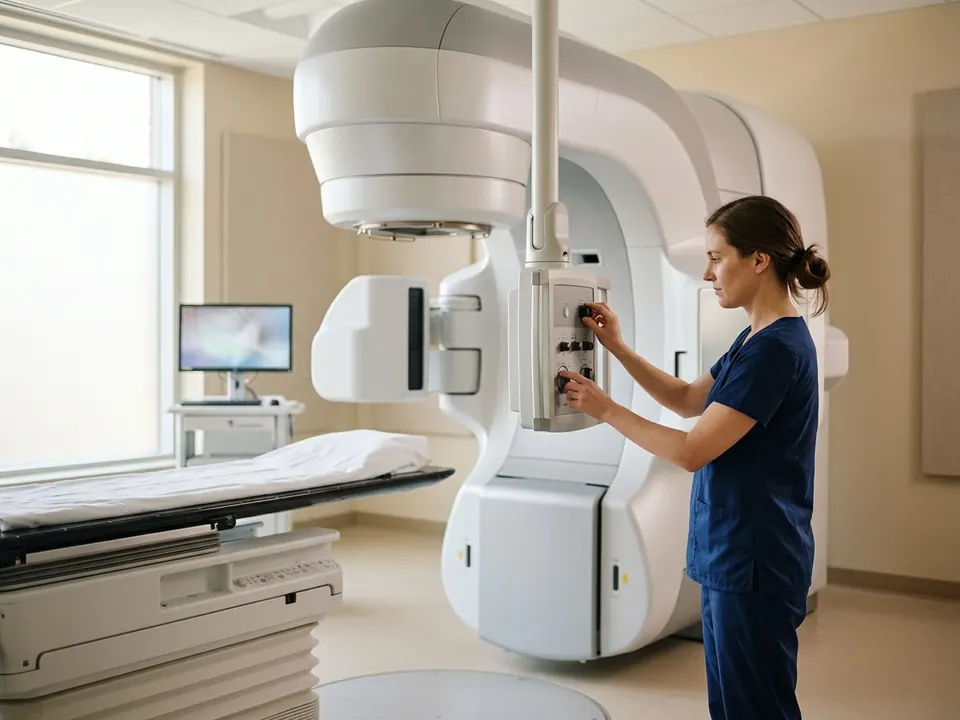
Intensity Modulated Radiation Therapy (IMRT) is an advanced radiation therapy that uses high precision techniques for reducing the damage to healthy tissues. A computerized plan is organized by the doctor to determine the accurate amount of radiation to be aimed at the cancer growth. The computer helps in determining the exact location, size, and shape of the cancer in order to determine the amount of radiation required to eliminate the cancer cells. A high dose of radiation is used on the cancer cells, while radiation to the healthy cells is minimized.
Since high and effective radiation can be delivered to cancer tumors without causing harm to normal tissues, the side effects of IMRT are minimised compared to conventional radiotherapy methods.
What types of cancer are treated by IMRT?
IMRT is mostly used in the treatment of cancers of the prostate, head and neck, and central nervous system.
Additionally, IMRT is also used in some cases of lung, breast, thyroid, gynecologic, and gastrointestinal malignancies along with several kinds of sarcomas.
How to Prepare for IMRT?
The patient’s physical evaluation and review of medical history will be performed.
A treatment simulation session will be conducted a week before the IMRT session. During simulation, CT scans will be performed. With this procedure a three-dimensional shape of the tumor and normal tissues are specified.
The information derived from the CT scan is used to design the beams used in the IMRT treatment.
Some patients may require a special device to help the patient retain an accurate position during the IMRT procedure. For this a treatment preparation session may be required.
Positron Emission Tomography (PET) and Magnetic Resonance Imaging (MRI) may also be required to determine the exact location of the tumor.
Colored ink markings are made on the patient’s skin to aid the alignment and target of the IMRT machine.
How is IMRT Performed?
The patient needs to lie down on the treatment table.
Marks made on the patient’s skin will help to determine the location where the treatment is required.
Special shields may be used to block the machine from certain body parts, which help in protecting the healthy tissues.
The patient is required to stay still during the IMRT to ensure the accuracy of the radiation.
The radiation machine is operated from another area near the treatment room.
The radiation therapist will observe the patient on a display monitor or through a window.
The machine will move around the patient’s body to give radiation from different angles.
The patient may need to change the position from time to time during the procedure.
About Intensity Modulated Radiation Therapy
Key facts to plan your treatment: how long it takes, your hospital stay, anaesthesia, risks and recovery.
Duration of surgery/treatment
Each IMRT session lasts for 10 to 30 minutes.
Number of sessions required
The number of sessions required depends upon the size of the cancer and the general health of the patient.
The sessions are usually done five days a week, for four to eight weeks.
Days admitted
IMRT is performed as an outpatient procedure.
Recovery
- The patient can perform regular activities after the treatment sessions.
- IMRT does not cause a patient to become radioactive, therefore precautionary measures to maintain distance from other people are not required.
Risks
There are early and late side effects. Early side effects occur immediately after the treatment and last for a few weeks.
The early side effects are as follows:
- Fatigue
- Skin sensitivity, redness, irritation or swelling
- Skin dryness, peeling, itching and blistering
- Hair loss
- Problems while swallowing
- Difficulty in eating and digestion
- Nausea and vomiting
- Diarrhea
- Headaches
- Urinary problems
- Swelling and soreness at the treatment site
Late side effects are rare and occur months or years after the IMRT procedure. They are as follows:
- Problems related to the brain, spinal cord, lungs, kidney, colon, rectum, joints and mouth
- Infertility
- Lyphedema
- Secondary cancer
After care
The patient should contact the doctor if the following symptoms occur:
- Pain that does not become less
- Lumps or swelling in the body
- Unusual weight loss
- Fever and cough that does not cure
- Diarrhea, vomiting, nausea and appetite loss
- Rashes and bruises
- Any other symptoms of sickness
Hospitals and clinics offering Intensity Modulated Radiation Therapy in Middle East
Intensity Modulated Radiation Therapy is listed by 10 hospitals in Middle East. The order reshuffles every hour so each gets equal exposure.
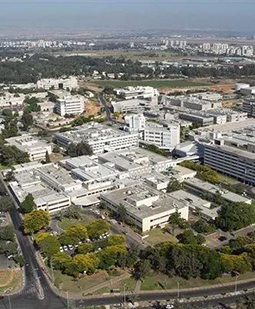
The largest medical center in Israel and the Middle East, internationally renowned for it's medical excellence. Around 31,000 inpatients are treated annually.
The Oncology Institute at Rambam Health Care Campus is a multi-disciplinary center for cancer treatment. It is certified by the European Society for Clinical Oncology (ESMO) as an integrated center for cancer treatment and support services, and is the only institute of its kind in Northern Israel.
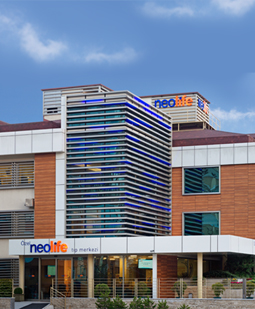
IMPORTANT NOTICE: Neolife Oncology Center is an Outpatient Oncology Hospital that does NOT perform any type of surgeries. Our center is the reference center specialized in oncology performing the latest treatment protocols and supporting the individual treatment with physical and social aspects.
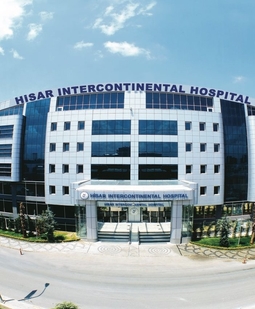
Hisar Intercontinental Hospital not only provides early diagnosis programs for cancer, but also offers a private treatment plan by combining the experience of the physicians and operation team with all the facilities of advanced technology.
Our comprehensive cancer program consists of specialized physicians, cancer nurses, psycho-oncologists and patient care coordinators who work together to provide the best available care to our cancer patients and their families in a caring environment.
Liv Hospital is the only institution in Turkey co-authorized Center of Excellence Accreditation in colorectal surgery, robotic surgery and bariatric surgery by the Surgical Review Corporation (SRC) and provides advanced technology and treatments to its international patients with its 159 bed capacit
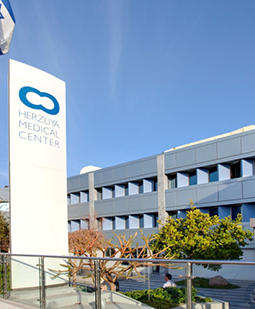
A private hospital located on the shorelines of Herzliya, just off Tel Aviv, offering healthcare services to both local and foreign patients. The hospital is affiliated with over 500 Israeli physicians, many of whom hold high level positions at public hospitals.
Acıbadem began its journey into healthcare services as a small neighbourhood hospital in a district of Istanbul/Turkey. Today, Acıbadem is a super brand which has taken its rightful place amongst the global healthcare leaders, with its 21 hospitals, 16 outpatient clinics and supporting service compa
Hadassah medical institution includes two university hospitals in Jerusalem – on Mt. Scopus and in Ein Kerem. Both provide advanced tetriary healthcare services in all medical specialties.
 Public Hospital
 JCIPrice on request

 ISO