 Children Hospital
Barcelona, Spain
 ISOPrice on request
We are a benchmark Hospital on national and international levels in the diagnosis and treatment of children with vision problems.
Uveitis is available at
Price
Contact for quote
Ophthalmology care in Barcelona
Hospitals, clinics and medical centers in Barcelona, Spain performing Uveitis.
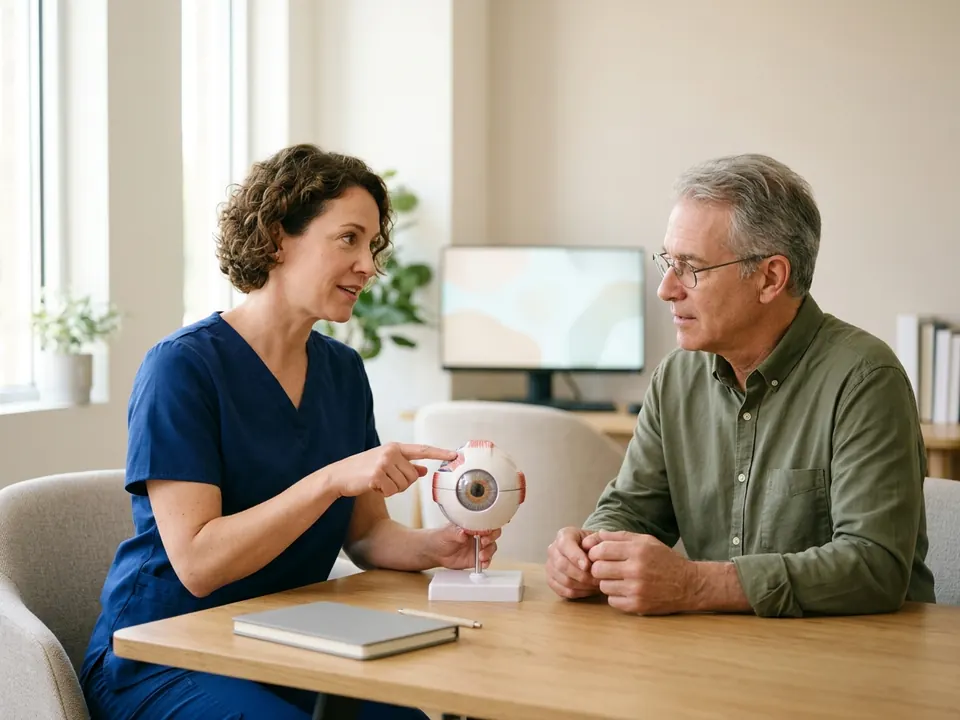
Key planning information for uveitis in Spain.
Uveitis in Barcelona is priced per case at 6 hospitals. Each hospital quotes its own price for your case.
Uveitis is listed by 6 hospitals in Barcelona. The order reshuffles every hour so each gets equal exposure.
Children HospitalISOPrice on requestWe are a benchmark Hospital on national and international levels in the diagnosis and treatment of children with vision problems.
Uveitis is available at
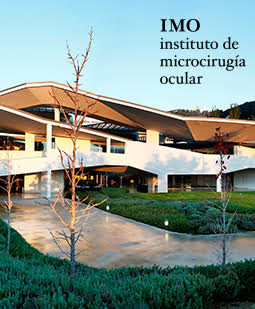 Ophthalmology Clinic
 JCIPrice on request
The Instituto de Microcirugía Ocular (IMO – Institute of Ocular Microsurgery in English) is a leading international ophthalmology centre. Their hallmark is medical excellence and our objective is to provide the best service to the patient.
 Ophthalmology Clinic
Institut Omiq Oftalmologia Medica's Medical and Surgical activity is developed in all areas and specialities in Ophthalmology. They provide the most modern, latest and complete diagnostic and therapeutic equipment.
 Ophtalmology ClinicISOPrice on request
Innova Ocular ICO Barcelona is one of the most important ophthalmology and ocular microsurgery institutes in central Barcelona, and an industry leader at both the national and international level.
Uveitis is available at
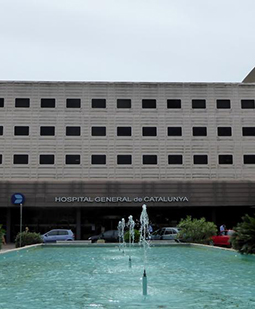 Hospital
The Division of Ophthalmology at Hospital General de Catalunya offers a full range of ophthalmic and optical services for children and adults.
Uveitis is available at
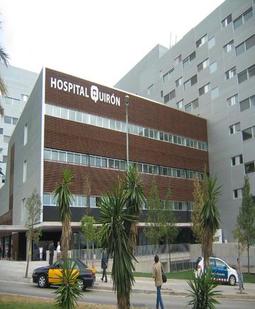 Private HospitalISOPrice on request
Quirónsalud Hospital Barcelona is the benchmark for private healthcare in southern Europe, providing world-class service for the past seventy years.
Uveitis is available at
Uveitis is actually an inner swelling of the eye. The illness involves the middle layers of the eye, also known as the uvea or uveal tract. The uvea consists of the choroid (a thin membrane having many blood vessels), the iris (colored section of the eye), and the ciliary body (the section of the eye, which joins these together).
The uvea is essential because its many arteries and veins carry blood to the areas of the eye, which are crucial for vision.
Uveitis has numerous possible causes, which include infection with a virus. Other possible causes are an injury to the eye, parasite, fungi, inflammatory illnesses affecting other body parts, or bacteria.
There are four kinds of uveitis:
Choroiditis and retinitis may each occur due to an autoimmune illness like lupus or rheumatoid arthritis. In many cases, the reason behind uveitis isn't known. Stress is oftentimes suspected since the swelling is caused by the body's immune system.
Uveitis may permanently damage your vision and even result in blindness. So, if you have any uveitis symptoms, it is vital that you should see an eye specialist known as an ophthalmologist immediately.
The ophthalmologist will carry out a thorough test of your eyes. He or she might request lab tests, which include X-rays or blood work since the list of potential causes may be long.
Uveitis might have an underlying factor elsewhere in your body, and the ophthalmologist might want to consult your regular doctor or another specialist to assess your overall health.
How Is Uveitis Treated?
Since uveitis is serious, treatment must start immediately. For uveitis not triggered by an infection, your eye specialist might prescribe pills or eye drops having steroids to decrease inflammation and drugs to ease the pain. Drops which dilate your pupil might be provided to stop adhesions of your pupil and eye spasms. Antibiotics are used in people who have infectious uveitis. Dark glasses can help with light sensitivity.
Complications of uveitis consist of vision loss, abnormal growth of blood vessels in the eye, which interfere with eyesight, glaucoma, fluid within the retina, and cataracts. Early prognosis and treatment by an eye specialist are crucial.
Call your GP immediately if you have continual eye ache or you see an uncommon change in your eyesight, especially if you have had previous problems of uveitis. The faster uveitis is addressed; the more successful treatment is likely to be.
Your GP might refer you to an ophthalmologist, who is a specialist in eye problems. An ophthalmologist will check your eye more thoroughly with light (a slit-lamp) and microscope, and might recommend additional exams if uveitis is diagnosed.
This might involve blood tests, scans of your eye and X-rays.
Key facts to plan your treatment: how long it takes, your hospital stay, anaesthesia, risks and recovery.
Common questions
Have a question? Get a free consultation.
Choose a hospital and send your enquiry to its international patient team. Each replies with its own price and plan.
Free consultation • No obligation